
How to Choose a Home Care Agency in Doncaster: 10 Questions to Ask

Choosing a home care agency for yourself or a loved one is one of the most important decisions you’ll ever make. The right care provider can help someone remain independent, safe and happy in the comfort of their own home, while giving family members confidence that their loved one is receiving compassionate, professional support.

With a number of home care providers serving Doncaster, how do you know which one is right for your family?

The best approach is to ask plenty of questions. A reputable care provider will always welcome them and be happy to explain how they work.

Here are ten important questions every Doncaster family should ask before choosing a home care agency.

1. Is the Care Agency Fully Regulated?

Always check that the agency is registered with the Care Quality Commission (CQC), the independent regulator for health and social care services in England.

A regulated provider is regularly inspected and must meet strict standards relating to safety, quality of care, safeguarding and staff training.

Don’t be afraid to ask about inspection ratings or how the provider ensures high standards are maintained.

2. What Services Do You Provide?

Every person’s needs are different, so it’s important to choose an agency that offers flexible care.

Ask whether they provide services such as:

  • Personal care
  • Medication support
  • Dementia care
  • Companionship visits
  • Meal preparation
  • Household assistance
  • Overnight care
  • Respite care
  • End-of-life support

A personalised care plan should always be created around the individual rather than offering a one-size-fits-all approach.

3. How Are Care Plans Created?

A quality care provider will take time to understand the person’s routines, medical needs, preferences and goals before care begins.

Ask whether they offer:

  • Initial home assessments
  • Personalised care plans
  • Family involvement
  • Regular reviews
  • Flexible adjustments if needs change

Care should evolve as circumstances change.

4. Are Your Carers Fully Trained?

Professional carers should receive ongoing training, not just when they first join.

Ask about training in areas such as:

  • Moving and handling
  • Medication
  • Dementia awareness
  • Safeguarding
  • First aid
  • Infection prevention
  • Mental capacity

Continuous professional development helps ensure the highest standard of care.

5. Will We See the Same Carers?

Consistency matters.

Seeing familiar carers helps build trust and allows relationships to develop naturally. It also helps carers notice subtle changes in health or wellbeing.

Ask whether the agency aims to provide regular carers rather than different faces at every visit.

6. How Do You Handle Emergencies?

Life doesn’t always go to plan.

Ask what happens if:

  • A carer becomes ill
  • Severe weather affects travel
  • An emergency occurs during a visit
  • Extra support is suddenly required

Reliable providers have contingency plans to ensure care continues without interruption.

7. How Do You Communicate With Families?

Good communication provides reassurance.

Many agencies regularly update families following visits and encourage relatives to contact them whenever they have questions or concerns.

Ask how communication works and who your main point of contact will be.

8. Are Care Visits Flexible?

Care needs often change over time.

A good agency should be able to increase or reduce visits, adjust schedules or introduce additional services when required.

Flexibility helps people remain independent for longer without needing residential care.

9. What Do Other Families Say?

Reviews and recommendations can provide valuable insight.

Look at:

  • Online reviews
  • Testimonials
  • Family recommendations
  • Community reputation
  • Length of time serving the local area

While no provider can guarantee perfection, consistently positive feedback is usually a good sign.

10. Do You Truly Put People First?

Perhaps the most important question isn’t about services—it’s about values.

When speaking with a provider, ask yourself:

  • Do they listen?
  • Do they explain things clearly?
  • Do they take time to understand our situation?
  • Do they genuinely care?

The best home care agencies don’t simply deliver care—they build relationships based on trust, dignity and respect.

Why Local Home Care Matters

Choosing a local Doncaster care provider means working with a team that understands the local community and can respond quickly when support is needed.

Local carers often build lasting relationships with clients and families while providing continuity of care that larger national providers may struggle to offer.

Why Families Across Doncaster Choose Orchids Care

At Orchids Care, we believe exceptional home care starts by listening.

Every care plan is tailored to the individual, ensuring they receive the right level of support while maintaining as much independence as possible.

Our compassionate carers provide a wide range of home care services across Doncaster, always treating every client with dignity, kindness and respect.

Whether you’re arranging care for a parent, partner or yourself, we’re here to guide you through every step of the process.

Contact Orchids Care Today

If you’re considering home care and would like friendly, professional advice, our experienced team would be happy to help.

We’ll take the time to understand your circumstances, answer your questions and explain how personalised home care could help you or your loved one continue living safely and independently at home.
Understanding Continuing Healthcare (CHC) Funding for Home Care in South Yorkshire

Paying for care can be one of the biggest concerns for individuals and families when a loved one begins to need ongoing support. While many people assume they will need to fund home care themselves or rely on local authority assistance, some individuals with significant and complex health needs may be entitled to NHS Continuing Healthcare (CHC) funding. This is a package of care arranged and funded entirely by the NHS for adults aged 18 and over who have what is known as a primary health need, regardless of their income or savings. Unlike social care funding, CHC is not means-tested, meaning eligibility is based solely on the nature and complexity of a person’s health needs rather than their financial circumstances. The information within this post is just some general information and can be subject to chnage

For people living in Doncaster and across South Yorkshire, CHC funding can be used to support care in a variety of settings, including your own home. If you are eligible, the NHS may fund a package of home care that helps you remain safe and independent while receiving the support you need. This can include assistance with personal care, medication management, mobility, specialist nursing support, and other services depending on your individual needs. Many people receiving CHC funding for care at home also have the option of a Personal Health Budget, allowing them greater choice and flexibility over how their care is arranged.

Eligibility for NHS Continuing Healthcare is determined through a structured assessment process carried out by healthcare professionals. The assessment looks at the overall nature, intensity, complexity and unpredictability of your care needs, rather than focusing on a particular diagnosis or condition. Having dementia, Parkinson’s disease, multiple sclerosis, or another long-term illness does not automatically qualify someone for CHC funding, but these conditions may contribute towards eligibility depending on how they affect day-to-day care requirements.

The assessment usually begins with an initial screening known as the CHC Checklist. If this indicates that a full assessment is appropriate, a multidisciplinary team will complete a detailed Decision Support Tool, considering a range of care domains such as mobility, cognition, behaviour, nutrition, breathing, medication and communication. Following the assessment, your local Integrated Care Board (ICB) makes the final decision about eligibility in line with the National Framework for NHS Continuing Healthcare.

Although the assessment process can seem complicated, families should not hesitate to ask for an assessment if they believe someone may have significant healthcare needs. If an application is unsuccessful, there is also a formal appeals process, and many families seek further advice before accepting the outcome. Understanding your rights and ensuring assessments fully reflect an individual’s day-to-day care needs can make a significant difference.

At Orchids Care, we regularly work alongside families, healthcare professionals and local services across Doncaster and South Yorkshire. While we cannot decide whether someone qualifies for NHS Continuing Healthcare funding, we can help explain the process, work with funded care packages where appropriate and provide compassionate, high-quality home care tailored to each individual’s needs. If you are unsure whether NHS Continuing Healthcare may be suitable for yourself or a loved one, our friendly team is always happy to discuss your circumstances and point you in the right direction.

*The information contained in this article is provided for general guidance only and may be subject to change. It should not be considered professional, legal or medical advice.

A unique approach to personal care, contact today for more information on Orchids Care services,  available in Doncaster and across the Borough , call now on : 01302 570729

Alternatively you can visit our website: https://www.orchids-care.co.uk/

What is CQC and Why Does It Matter for Your Home Care Choice?

When choosing a home care provider for yourself or a loved one, trust is one of the most important factors. You want to know that the care being delivered is safe, effective, compassionate, and professionally managed.

One of the best ways to assess the quality of a care provider in England is by checking their Care Quality Commission (CQC) rating.

But what exactly is the CQC, and why should it matter when selecting a home care company?

What is the CQC?

The Care Quality Commission (CQC) is the independent regulator of health and social care services in England. Its role is to monitor, inspect, and regulate care providers to ensure they meet essential standards of quality and safety.

The CQC oversees a wide range of services, including:

  • Home care agencies
  • Residential care homes
  • Nursing homes
  • Hospitals
  • GP surgeries
  • Dental practices

Every registered care provider must meet strict standards designed to protect the wellbeing, dignity, and safety of the people they support.

How Does the CQC Inspect Care Providers?

CQC inspectors carry out detailed assessments of care services, speaking to staff, service users, families, and management teams. They review policies, care plans, training records, and operational procedures to determine whether a provider is delivering high-quality care.

The CQC evaluates services against five key questions:

1. Is the service safe?

Are people protected from abuse, neglect, avoidable harm, and unsafe practices?

2. Is the service effective?

Do staff have the skills, training, and support needed to deliver excellent care?

3. Is the service caring?

Are people treated with kindness, dignity, compassion, and respect?

4. Is the service responsive?

Does the provider adapt care to meet individual needs and preferences?

5. Is the service well-led?

Does the organisation have strong leadership, governance, and a culture of continuous improvement?

Understanding CQC Ratings

Following an inspection, the CQC awards one of four ratings:

Outstanding

The service performs exceptionally well and consistently exceeds expectations.

Good

The service is performing well and meeting the standards expected by the regulator.

Requires Improvement

Some areas need attention to consistently meet required standards.

Inadequate

The service is failing to provide acceptable standards of care and may face enforcement action.

These ratings provide valuable insight into how a provider operates and whether they can be trusted to deliver high-quality support.

Why Should Families Check a CQC Rating?

Choosing home care is a significant decision, often made during stressful or emotional circumstances. A CQC rating offers independent reassurance that a provider has been assessed by a recognised authority.

A strong CQC rating can indicate:

  • Safe working practices
  • Well-trained carers
  • Effective management
  • Person-centred care
  • Strong safeguarding procedures
  • Consistent service quality

While a rating should not be the only factor you consider, it provides an excellent starting point when comparing care providers.

What Makes Quality Home Care More Than Just a Rating?

Although CQC ratings are important, the best care providers also focus on building meaningful relationships with the people they support.

High-quality home care should include:

  • Personalised care plans
  • Reliable and punctual visits
  • Respect for independence and choice
  • Clear communication with families
  • Continuity of carers where possible
  • Ongoing staff training and development

The right provider will take time to understand your unique needs and create a care package that supports both wellbeing and independence.

Questions to Ask a Home Care Provider

Before choosing a care provider, consider asking:

  • What is your current CQC rating?
  • How are carers recruited and trained?
  • How do you ensure consistency of care?
  • How do you communicate with family members?
  • Can care plans be adjusted as needs change?
  • What support is available in emergencies?

A reputable provider will be happy to answer these questions and explain how they maintain high standards.

Choosing Care with Confidence

Home care allows many people to remain safe, comfortable, and independent in their own homes while receiving the support they need. Understanding the role of the CQC can help families make informed decisions and choose a provider with confidence.

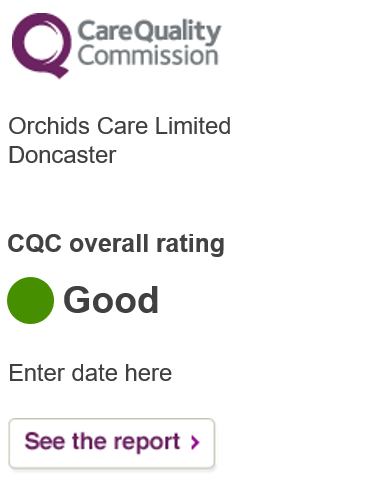
At Orchids Care, we believe that excellent care starts with trust, professionalism, and genuine compassion. We are committed to delivering person-centred support that promotes dignity, independence, and quality of life for every individual we serve. We offer our service with great pride as seen by our Care Quality Commission rating of Good.

If you are considering home care for yourself or a loved one, our friendly team is always available to discuss your needs and help you explore the options available.

A unique approach to personal care, contact today for more information on Orchids Care services,  available in Doncaster and across the Borough , call now on : 01302 570729

Alternatively you can visit our website: https://www.orchids-care.co.uk/

Home Care vs Care Home: Which is Right for Your Loved One?

When a loved one begins to need extra support with daily living, one of the biggest decisions families face is whether to choose home care or move them into a care home.

There is no one-size-fits-all answer. The right choice depends on an individual’s health, independence, personal preferences, and level of support required. Understanding the differences between home care and residential care can help families make a confident and informed decision.

In this guide, we’ll explore the advantages and considerations of both options to help you determine what may be best for your loved one.

What is Home Care?

Home care, sometimes known as domiciliary care, provides support to individuals in their own homes. Professional carers such as Orchids Care visit at agreed times to assist with daily activities while allowing the individual to remain in familiar surroundings.

Home care services can include:

  • Personal care and hygiene support
  • Medication assistance
  • Meal preparation
  • Companionship
  • Shopping and errands
  • Mobility support
  • Dementia care
  • Respite care for family members
  • Overnight or live-in care

The level of support can range from a few hours per week to full-time live-in care.

What is a Care Home?

A care home provides accommodation and support for individuals who can no longer live safely or comfortably at home without significant assistance.

Residents receive around-the-clock support from trained care staff and have access to communal facilities, meals, and social activities.

There are generally two main types of care homes:

Residential Care Homes

These provide accommodation, personal care, meals, and support with daily living.

Nursing Homes

These offer the same services as residential homes but also provide nursing care from qualified nurses for individuals with more complex medical needs.

Benefits of Home Care

For many people, remaining at home is their preferred option.

Familiar Surroundings

Home is often where people feel safest and most comfortable. Remaining in a familiar environment can reduce anxiety and provide emotional reassurance.

Greater Independence

Home care allows individuals to maintain control over their daily routines, lifestyle choices, and personal preferences.

Personalised One-to-One Support

Care is tailored to the individual’s specific needs, ensuring they receive focused attention and support.

Staying Close to Family and Friends

Remaining at home often makes it easier to maintain existing social connections and community involvement.

Flexible Care

Support can increase or decrease as needs change, providing a flexible solution that evolves over time.

Benefits of a Care Home

In some circumstances, a care home may provide the most appropriate level of support.

24-Hour Assistance

Care homes offer round-the-clock support, providing reassurance for families when constant supervision is required.

Social Opportunities

Many care homes offer organised activities, communal dining, and opportunities to socialise with other residents.

Suitable for Complex Needs

Individuals with advanced health conditions or significant mobility challenges may benefit from the structured environment and continuous support available in a care home.

Reduced Household Responsibilities

Residents no longer need to worry about cooking, cleaning, home maintenance, or managing daily household tasks.

When Home Care May Be the Better Option

Home care is often ideal when:

  • Your loved one wishes to remain at home
  • They require assistance but can still live safely in familiar surroundings
  • Maintaining independence is important to them
  • Family members are involved in supporting their care
  • Personalised one-to-one care is preferred

Many families find that home care provides the perfect balance between independence and support.

When a Care Home May Be More Suitable

A care home may be the better choice when:

  • Care needs have become highly complex
  • Continuous supervision is required
  • Safety concerns cannot be adequately managed at home
  • Severe mobility limitations make independent living difficult
  • Social isolation has become a significant concern
  • Family carers are no longer able to provide sufficient support

Every situation is unique, and professional advice can help determine the most appropriate option.

Cost Considerations

Cost is often an important factor when comparing care options.

Home care costs vary depending on the number of care hours required, while care homes generally charge a weekly fee covering accommodation, care, and meals.

In some cases, home care can be more cost-effective, particularly when only a few hours of support are needed each day. For individuals requiring extensive support around the clock, a care home or live-in care arrangement may offer better value.

Families should also explore whether local authority funding or other financial support may be available.

Questions to Ask Before Making a Decision

Before deciding between home care and a care home, consider the following questions:

  • What level of care is currently needed?
  • How likely are care needs to change in the future?
  • Does your loved one want to remain at home?
  • How important is independence to them?
  • Are family members available to provide additional support?
  • Would they benefit from increased social interaction?
  • What option best supports their wellbeing and quality of life?

The answers can often provide valuable guidance when making this important decision.

Supporting the Best Possible Quality of Life

Ultimately, the goal of any care arrangement is to ensure your loved one remains safe, comfortable, happy, and supported.

For many individuals, home care offers the opportunity to maintain independence, dignity, and familiar routines while receiving professional support tailored to their needs. Others may benefit from the round-the-clock assistance and social environment that a care home can provide.

At Orchids Care in Doncaster, we understand that choosing care can feel overwhelming. Our experienced team is here to offer guidance, answer your questions, and help you explore the options available so you can make the right decision for your loved one with confidence.

If you’d like to learn more about our personalised home care services, please get in touch with our friendly team today.

A unique approach to personal care, contact today for more information on Orchids Care services,  available in Doncaster and across the Borough , call now on : 01302 570729

Alternatively you can visit our website: https://www.orchids-care.co.uk/

How to Arrange Home Care After a Hospital Discharge in Doncaster

Leaving hospital is often a welcome step, but for many families it can also be a worrying time. Whether a loved one has experienced a fall, illness, surgery, stroke or other health issue, returning home safely often requires additional support.

Understanding how to arrange home care after a hospital discharge can help make the transition smoother, safer and less stressful for everyone involved.

At Orchids Care, we support individuals and families across Doncaster and South Yorkshire with personalised care at home following hospital discharge.

Why Home Care Is Important After Hospital Discharge

Many people leave hospital before they have fully regained their strength or confidence. While medical treatment may be complete, ongoing support is often needed during recovery.

Home care can help by providing assistance with:

  • Personal care and hygiene
  • Meal preparation
  • Medication reminders
  • Mobility support
  • Companionship
  • Household tasks
  • Respite for family carers

The right support can reduce the risk of readmission and help individuals recover comfortably within familiar surroundings.

Step 1: Speak to the Hospital Discharge Team

Before discharge, the hospital will usually assess whether additional support is needed at home.

The discharge team may discuss:

  • Mobility requirements
  • Medication management
  • Personal care needs
  • Equipment requirements
  • Community healthcare services

If ongoing support is required, this is the ideal time to begin exploring home care options.

Step 2: Consider the Level of Care Required

Every person’s circumstances are different.

Some individuals may only require short-term support while they regain independence. Others may benefit from ongoing care following a significant health event.

Common situations where home care can help include:

Recovery Following Surgery

Support with daily tasks while strength and mobility improve.

Stroke Recovery

Assistance with personal care, rehabilitation routines and day-to-day activities.

Elderly Care Following Illness

Extra support to help older adults remain safe and comfortable at home.

Neurological Conditions

Ongoing assistance for individuals living with Parkinson’s disease, Multiple Sclerosis, brain injuries and other neurological conditions.

Physical Disabilities

Support designed around individual needs and personal goals.

Step 3: Arrange a Care Assessment

A professional care assessment helps identify exactly what support is required.

This typically considers:

  • Daily living requirements
  • Mobility levels
  • Medication routines
  • Personal preferences
  • Family involvement
  • Future care needs

Creating a personalised care plan ensures support is tailored to the individual rather than taking a one-size-fits-all approach.

Step 4: Choose a Trusted Home Care Provider

When selecting a care provider, it is important to ask questions such as:

  • Are carers fully trained and DBS checked?
  • Is care tailored to individual needs?
  • Can care be adapted if circumstances change?
  • Is support available during evenings and weekends?
  • Does the provider have experience supporting people with similar conditions?

Families should feel confident that their loved one is receiving compassionate and professional support.

Step 5: Begin Care and Monitor Progress

The first few weeks following hospital discharge are often the most important.

Regular reviews help ensure care remains appropriate and that recovery continues positively.

As confidence and independence improve, care can often be adjusted to reflect changing needs.

How Orchids Care Supports Hospital Discharge Care in Doncaster

Orchids Care provides flexible home care services across Doncaster and surrounding areas.

We support people returning home following:

  • Hospital stays
  • Surgery
  • Falls and injuries
  • Stroke recovery
  • Neurological conditions
  • Long-term health conditions

Our aim is to help individuals recover safely while maintaining dignity, independence and quality of life within their own home.

Looking for Home Care After a Hospital Discharge?

If you or a loved one requires support following a hospital stay, Orchids Care can help.

Our experienced care team provides personalised care at home throughout Doncaster and South Yorkshire.

To discuss your requirements and arrange an initial assessment, contact Orchids Care today on 01302 570729.


A unique approach to personal care, contact today for more information on Orchids Care services,  available in Doncaster and across the Borough , call now on : 01302 570729

Alternatively you can visit our website: https://www.orchids-care.co.uk/