
Tag Archive for: Care

What Does a Home Carer Actually Do?

When a loved one begins to need a little extra support, one of the first questions many families ask is, “What does a home carer actually do?”

For many people across Doncaster, home care allows individuals to remain in the comfort and familiarity of their own home while receiving professional, compassionate support tailored to their needs. Whether someone requires occasional assistance or daily care, home carers play an essential role in helping people maintain their independence, dignity, and quality of life.

At Orchids Care, we understand that inviting someone into your home is a big decision. Here’s a closer look at what a professional home carer can do and how they can make everyday life easier.

What Is a Home Carer?

A home carer (also known as a domiciliary carer or care worker) provides practical and personal support to people living in their own homes. The level of care is completely personalised and can range from short daily visits to more comprehensive support throughout the day.

Home care is suitable for:

  • Older adults needing extra help
  • People recovering after illness or surgery
  • Individuals living with dementia
  • Adults with physical disabilities
  • People with long-term health conditions
  • Anyone who wishes to remain independent at home

Personal Care Support

One of the most important aspects of home care is helping people with personal daily routines while preserving their dignity and privacy.

A home carer may assist with:

  • Washing and bathing
  • Showering safely
  • Dressing and undressing
  • Grooming and personal hygiene
  • Oral care
  • Toileting assistance
  • Continence care

Our carers always encourage independence wherever possible, providing only the level of assistance that each individual needs.

Preparing Meals and Encouraging Good Nutrition

Good nutrition plays a vital role in overall health, particularly for older adults.

A home carer can help by:

  • Preparing fresh meals
  • Making drinks and snacks
  • Supporting specialist diets
  • Encouraging regular hydration
  • Assisting with eating where necessary
  • Shopping for groceries

Many clients enjoy sharing a cup of tea and conversation while meals are prepared, making visits both practical and enjoyable.

Medication Support

Managing medication can become increasingly difficult with age or illness.

Depending on an individual’s care plan, carers may assist with:

  • Medication reminders
  • Prompting medication at the correct time
  • Recording medication support
  • Ensuring prescribed routines are followed

This helps reduce the risk of missed doses while giving families peace of mind.

Household Tasks

Maintaining a clean, safe home can become physically demanding.

Home carers can assist with light household duties, including:

  • Washing dishes
  • Laundry
  • Changing bedding
  • Vacuuming
  • Dusting
  • Keeping kitchens and bathrooms tidy
  • General household organisation

These everyday tasks help create a safer and more comfortable living environment.

Companionship and Emotional Support

Many people think home care is only about physical support, but companionship is often one of the most valuable parts of the service.

Loneliness can have a significant impact on both physical and mental wellbeing. Friendly conversation and regular social interaction can make a huge difference.

Our carers often spend time:

  • Chatting over a cup of tea
  • Playing games or completing puzzles
  • Reading together
  • Watching favourite television programmes
  • Going for short walks
  • Supporting hobbies and interests

For many clients, seeing a familiar face each week becomes something they genuinely look forward to.

Help Getting Out and About

Remaining active within the local community is important for wellbeing.

Home carers can accompany clients to:

  • Medical appointments
  • Hospital visits
  • Local shops
  • Hairdressers
  • Social clubs
  • Community activities
  • Family visits

Supporting independence outside the home helps people stay connected to their community.

Dementia Care at Home

For families affected by dementia, remaining in familiar surroundings can often provide reassurance and reduce confusion.

Specialist home carers understand how to:

  • Maintain routines
  • Provide reassurance
  • Support memory
  • Reduce anxiety
  • Encourage independence safely
  • Work alongside family members

Every care plan is tailored to the individual and adapted as their needs change.

Supporting Families Too

Home care doesn’t just benefit the individual receiving care—it also supports family members.

Many relatives balance caring responsibilities alongside work, raising children, or other commitments. Professional home care offers reassurance that a loved one is receiving safe, reliable support while allowing family members to spend more meaningful time together rather than focusing solely on care tasks.

Why More Doncaster Families Choose Home Care

Choosing home care allows many people to continue living independently without leaving the place they know and love.

Benefits include:

  • Staying in familiar surroundings
  • Maintaining independence
  • Flexible care plans
  • One-to-one personalised support
  • Greater comfort and routine
  • Reduced stress for families
  • Improved wellbeing and confidence

Every person’s needs are different, which is why care plans are always tailored to the individual.

Looking for Home Care in Doncaster?

If you’re beginning to explore care options for yourself or a loved one, professional home care can provide the support needed while helping people continue living independently at home.

At Orchids Care, our compassionate team provides high-quality, person-centred home care throughout Doncaster and the surrounding areas. Whether you require occasional support or regular daily visits, we’re here to help.

Contact Orchids Care today to discuss your needs and discover how our friendly care team can support you or someone you love.

A unique approach to personal care, contact today for more information on Orchids Care services,  available in Doncaster and across the Borough , call now on : 01302 570729

Alternatively you can visit our website: https://www.orchids-care.co.uk/
Life After a Stroke: How Home Care Supports Recovery in Doncaster

Recovering from a stroke is a journey that looks different for everyone. While some people regain their independence within weeks, others may need ongoing support for months or even years. A stroke can affect movement, speech, memory, confidence and everyday activities, making even simple tasks feel overwhelming. The good news is that with the right rehabilitation, support and encouragement, many people make significant progress and continue to enjoy fulfilling, independent lives. For many families across Doncaster, professional home care plays an important role in that recovery.

Following discharge from hospital, many stroke survivors receive a personalised rehabilitation plan that may include physiotherapy, occupational therapy, speech and language therapy, and exercises designed to improve strength, mobility and communication. Continuing these routines at home is often essential to recovery, and home carers can provide practical support alongside healthcare professionals to help individuals follow their rehabilitation programme safely and confidently. The NHS and NICE both emphasise the importance of ongoing community-based rehabilitation and ensuring people have the support they need to remain as independent as possible after returning home.

Home care after a stroke is about far more than assisting with daily tasks. A professional carer can help with personal care such as washing, dressing and mobility, prepare nutritious meals, support medication routines and provide reassurance while encouraging independence wherever possible. They can also assist with light household duties, accompany clients to appointments or therapy sessions, and help reduce the risk of falls by ensuring the home environment remains safe and organised. This practical support allows individuals to focus their energy on recovery while giving families confidence that their loved one is receiving compassionate care.

Many stroke survivors also experience emotional changes, including anxiety, frustration or a loss of confidence as they adjust to life after their stroke. Having a regular, familiar carer can make a significant difference by providing companionship, encouragement and emotional reassurance. Small achievements, whether preparing a meal independently, walking a little further or regaining confidence to leave the house, all contribute towards rebuilding independence over time.

Recovery doesn’t stop when rehabilitation sessions end. Everyday activities such as making a cup of tea, getting dressed or taking a short walk can all form part of ongoing rehabilitation. Home carers can support these daily routines while working alongside healthcare professionals and family members, helping individuals continue practising the skills they are relearning without taking away their independence. The aim is always to provide the right level of support while encouraging people to do as much as they safely can for themselves.

At Orchids Care, we understand that every stroke recovery journey is unique. Our compassionate carers provide personalised home care throughout Doncaster, supporting people with dignity, patience and respect while working alongside families and healthcare professionals to deliver care that reflects each individual’s needs and goals. Whether someone requires short-term support after leaving hospital or longer-term assistance to remain independent at home, our experienced team is here to help every step of the way.

Disclaimer: The information contained in this article is intended as general guidance only and is accurate at the time of publication. Every stroke affects people differently, and recovery plans should always follow the advice of your healthcare professionals. Guidance and NHS services may change over time.

A unique approach to personal care, contact today for more information on Orchids Care services,  available in Doncaster and across the Borough , call now on : 01302 570729

Alternatively you can visit our website: https://www.orchids-care.co.uk/

How to Choose a Home Care Agency in Doncaster: 10 Questions to Ask

Choosing a home care agency for yourself or a loved one is one of the most important decisions you’ll ever make. The right care provider can help someone remain independent, safe and happy in the comfort of their own home, while giving family members confidence that their loved one is receiving compassionate, professional support.

With a number of home care providers serving Doncaster, how do you know which one is right for your family?

The best approach is to ask plenty of questions. A reputable care provider will always welcome them and be happy to explain how they work.

Here are ten important questions every Doncaster family should ask before choosing a home care agency.

1. Is the Care Agency Fully Regulated?

Always check that the agency is registered with the Care Quality Commission (CQC), the independent regulator for health and social care services in England.

A regulated provider is regularly inspected and must meet strict standards relating to safety, quality of care, safeguarding and staff training.

Don’t be afraid to ask about inspection ratings or how the provider ensures high standards are maintained.

2. What Services Do You Provide?

Every person’s needs are different, so it’s important to choose an agency that offers flexible care.

Ask whether they provide services such as:

  • Personal care
  • Medication support
  • Dementia care
  • Companionship visits
  • Meal preparation
  • Household assistance
  • Overnight care
  • Respite care
  • End-of-life support

A personalised care plan should always be created around the individual rather than offering a one-size-fits-all approach.

3. How Are Care Plans Created?

A quality care provider will take time to understand the person’s routines, medical needs, preferences and goals before care begins.

Ask whether they offer:

  • Initial home assessments
  • Personalised care plans
  • Family involvement
  • Regular reviews
  • Flexible adjustments if needs change

Care should evolve as circumstances change.

4. Are Your Carers Fully Trained?

Professional carers should receive ongoing training, not just when they first join.

Ask about training in areas such as:

  • Moving and handling
  • Medication
  • Dementia awareness
  • Safeguarding
  • First aid
  • Infection prevention
  • Mental capacity

Continuous professional development helps ensure the highest standard of care.

5. Will We See the Same Carers?

Consistency matters.

Seeing familiar carers helps build trust and allows relationships to develop naturally. It also helps carers notice subtle changes in health or wellbeing.

Ask whether the agency aims to provide regular carers rather than different faces at every visit.

6. How Do You Handle Emergencies?

Life doesn’t always go to plan.

Ask what happens if:

  • A carer becomes ill
  • Severe weather affects travel
  • An emergency occurs during a visit
  • Extra support is suddenly required

Reliable providers have contingency plans to ensure care continues without interruption.

7. How Do You Communicate With Families?

Good communication provides reassurance.

Many agencies regularly update families following visits and encourage relatives to contact them whenever they have questions or concerns.

Ask how communication works and who your main point of contact will be.

8. Are Care Visits Flexible?

Care needs often change over time.

A good agency should be able to increase or reduce visits, adjust schedules or introduce additional services when required.

Flexibility helps people remain independent for longer without needing residential care.

9. What Do Other Families Say?

Reviews and recommendations can provide valuable insight.

Look at:

  • Online reviews
  • Testimonials
  • Family recommendations
  • Community reputation
  • Length of time serving the local area

While no provider can guarantee perfection, consistently positive feedback is usually a good sign.

10. Do You Truly Put People First?

Perhaps the most important question isn’t about services—it’s about values.

When speaking with a provider, ask yourself:

  • Do they listen?
  • Do they explain things clearly?
  • Do they take time to understand our situation?
  • Do they genuinely care?

The best home care agencies don’t simply deliver care—they build relationships based on trust, dignity and respect.

Why Local Home Care Matters

Choosing a local Doncaster care provider means working with a team that understands the local community and can respond quickly when support is needed.

Local carers often build lasting relationships with clients and families while providing continuity of care that larger national providers may struggle to offer.

Why Families Across Doncaster Choose Orchids Care

At Orchids Care, we believe exceptional home care starts by listening.

Every care plan is tailored to the individual, ensuring they receive the right level of support while maintaining as much independence as possible.

Our compassionate carers provide a wide range of home care services across Doncaster, always treating every client with dignity, kindness and respect.

Whether you’re arranging care for a parent, partner or yourself, we’re here to guide you through every step of the process.

Contact Orchids Care Today

If you’re considering home care and would like friendly, professional advice, our experienced team would be happy to help.

We’ll take the time to understand your circumstances, answer your questions and explain how personalised home care could help you or your loved one continue living safely and independently at home.

Understanding Continuing Healthcare (CHC) Funding for Home Care in South Yorkshire

Paying for care can be one of the biggest concerns for individuals and families when a loved one begins to need ongoing support. While many people assume they will need to fund home care themselves or rely on local authority assistance, some individuals with significant and complex health needs may be entitled to NHS Continuing Healthcare (CHC) funding. This is a package of care arranged and funded entirely by the NHS for adults aged 18 and over who have what is known as a primary health need, regardless of their income or savings. Unlike social care funding, CHC is not means-tested, meaning eligibility is based solely on the nature and complexity of a person’s health needs rather than their financial circumstances. The information within this post is just some general information and can be subject to chnage

For people living in Doncaster and across South Yorkshire, CHC funding can be used to support care in a variety of settings, including your own home. If you are eligible, the NHS may fund a package of home care that helps you remain safe and independent while receiving the support you need. This can include assistance with personal care, medication management, mobility, specialist nursing support, and other services depending on your individual needs. Many people receiving CHC funding for care at home also have the option of a Personal Health Budget, allowing them greater choice and flexibility over how their care is arranged.

Eligibility for NHS Continuing Healthcare is determined through a structured assessment process carried out by healthcare professionals. The assessment looks at the overall nature, intensity, complexity and unpredictability of your care needs, rather than focusing on a particular diagnosis or condition. Having dementia, Parkinson’s disease, multiple sclerosis, or another long-term illness does not automatically qualify someone for CHC funding, but these conditions may contribute towards eligibility depending on how they affect day-to-day care requirements.

The assessment usually begins with an initial screening known as the CHC Checklist. If this indicates that a full assessment is appropriate, a multidisciplinary team will complete a detailed Decision Support Tool, considering a range of care domains such as mobility, cognition, behaviour, nutrition, breathing, medication and communication. Following the assessment, your local Integrated Care Board (ICB) makes the final decision about eligibility in line with the National Framework for NHS Continuing Healthcare.

Although the assessment process can seem complicated, families should not hesitate to ask for an assessment if they believe someone may have significant healthcare needs. If an application is unsuccessful, there is also a formal appeals process, and many families seek further advice before accepting the outcome. Understanding your rights and ensuring assessments fully reflect an individual’s day-to-day care needs can make a significant difference.

At Orchids Care, we regularly work alongside families, healthcare professionals and local services across Doncaster and South Yorkshire. While we cannot decide whether someone qualifies for NHS Continuing Healthcare funding, we can help explain the process, work with funded care packages where appropriate and provide compassionate, high-quality home care tailored to each individual’s needs. If you are unsure whether NHS Continuing Healthcare may be suitable for yourself or a loved one, our friendly team is always happy to discuss your circumstances and point you in the right direction.

*The information contained in this article is provided for general guidance only and may be subject to change. It should not be considered professional, legal or medical advice.

A unique approach to personal care, contact today for more information on Orchids Care services,  available in Doncaster and across the Borough , call now on : 01302 570729

Alternatively you can visit our website: https://www.orchids-care.co.uk/

What is CQC and Why Does It Matter for Your Home Care Choice?

When choosing a home care provider for yourself or a loved one, trust is one of the most important factors. You want to know that the care being delivered is safe, effective, compassionate, and professionally managed.

One of the best ways to assess the quality of a care provider in England is by checking their Care Quality Commission (CQC) rating.

But what exactly is the CQC, and why should it matter when selecting a home care company?

What is the CQC?

The Care Quality Commission (CQC) is the independent regulator of health and social care services in England. Its role is to monitor, inspect, and regulate care providers to ensure they meet essential standards of quality and safety.

The CQC oversees a wide range of services, including:

  • Home care agencies
  • Residential care homes
  • Nursing homes
  • Hospitals
  • GP surgeries
  • Dental practices

Every registered care provider must meet strict standards designed to protect the wellbeing, dignity, and safety of the people they support.

How Does the CQC Inspect Care Providers?

CQC inspectors carry out detailed assessments of care services, speaking to staff, service users, families, and management teams. They review policies, care plans, training records, and operational procedures to determine whether a provider is delivering high-quality care.

The CQC evaluates services against five key questions:

1. Is the service safe?

Are people protected from abuse, neglect, avoidable harm, and unsafe practices?

2. Is the service effective?

Do staff have the skills, training, and support needed to deliver excellent care?

3. Is the service caring?

Are people treated with kindness, dignity, compassion, and respect?

4. Is the service responsive?

Does the provider adapt care to meet individual needs and preferences?

5. Is the service well-led?

Does the organisation have strong leadership, governance, and a culture of continuous improvement?

Understanding CQC Ratings

Following an inspection, the CQC awards one of four ratings:

Outstanding

The service performs exceptionally well and consistently exceeds expectations.

Good

The service is performing well and meeting the standards expected by the regulator.

Requires Improvement

Some areas need attention to consistently meet required standards.

Inadequate

The service is failing to provide acceptable standards of care and may face enforcement action.

These ratings provide valuable insight into how a provider operates and whether they can be trusted to deliver high-quality support.

Why Should Families Check a CQC Rating?

Choosing home care is a significant decision, often made during stressful or emotional circumstances. A CQC rating offers independent reassurance that a provider has been assessed by a recognised authority.

A strong CQC rating can indicate:

  • Safe working practices
  • Well-trained carers
  • Effective management
  • Person-centred care
  • Strong safeguarding procedures
  • Consistent service quality

While a rating should not be the only factor you consider, it provides an excellent starting point when comparing care providers.

What Makes Quality Home Care More Than Just a Rating?

Although CQC ratings are important, the best care providers also focus on building meaningful relationships with the people they support.

High-quality home care should include:

  • Personalised care plans
  • Reliable and punctual visits
  • Respect for independence and choice
  • Clear communication with families
  • Continuity of carers where possible
  • Ongoing staff training and development

The right provider will take time to understand your unique needs and create a care package that supports both wellbeing and independence.

Questions to Ask a Home Care Provider

Before choosing a care provider, consider asking:

  • What is your current CQC rating?
  • How are carers recruited and trained?
  • How do you ensure consistency of care?
  • How do you communicate with family members?
  • Can care plans be adjusted as needs change?
  • What support is available in emergencies?

A reputable provider will be happy to answer these questions and explain how they maintain high standards.

Choosing Care with Confidence

Home care allows many people to remain safe, comfortable, and independent in their own homes while receiving the support they need. Understanding the role of the CQC can help families make informed decisions and choose a provider with confidence.

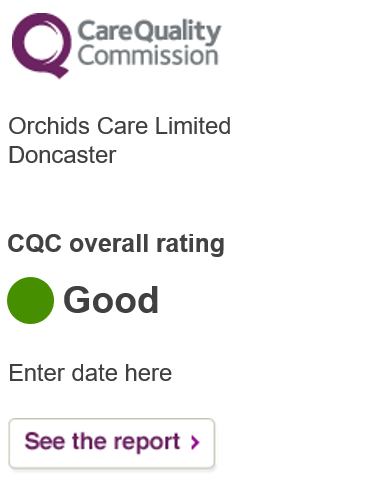
At Orchids Care, we believe that excellent care starts with trust, professionalism, and genuine compassion. We are committed to delivering person-centred support that promotes dignity, independence, and quality of life for every individual we serve. We offer our service with great pride as seen by our Care Quality Commission rating of Good.

If you are considering home care for yourself or a loved one, our friendly team is always available to discuss your needs and help you explore the options available.

A unique approach to personal care, contact today for more information on Orchids Care services,  available in Doncaster and across the Borough , call now on : 01302 570729

Alternatively you can visit our website: https://www.orchids-care.co.uk/

Hot Weather Advice for Older Adults | Orchids Care

Hot Weather and Older Adults: Why Extra Care Matters During a Heatwave

The recent spell of hot weather has been welcomed by many, in Doncaster.  However, high temperatures can pose serious health risks for older adults.

As we age, our bodies become less efficient at regulating temperature and recognising when we’re dehydrated. Certain health conditions and medications can also increase vulnerability to heat-related illnesses, making it essential to take extra precautions during periods of hot weather.

Why Older People Are More at Risk

Heat exhaustion and dehydration can develop more quickly in older adults, particularly those living alone or with limited mobility. Even when temperatures feel manageable, prolonged exposure to heat can place additional strain on the heart, lungs and kidneys.

Warning signs to look out for include:

  • Feeling dizzy or lightheaded
  • Headaches
  • Excessive tiredness
  • Nausea
  • Muscle cramps
  • Confusion or unusual behaviour
  • Reduced urine output

If these symptoms occur, it’s important to move to a cooler environment, drink fluids and seek medical advice if symptoms do not improve.

Practical Ways to Stay Safe

Drink Regularly

Don’t wait until you feel thirsty. Drinking water little and often throughout the day helps prevent dehydration. Foods with a high water content, such as fruit, salads and yoghurt, can also help maintain hydration levels.

Keep Living Spaces Cool

During the hottest parts of the day, keep curtains and blinds closed in sun-facing rooms. Open windows during cooler periods, such as early morning or late evening, to improve airflow.

Avoid Peak Temperatures

Try to limit outdoor activities between 11am and 3pm when the sun is strongest. If you do need to go outside, seek shade where possible and wear lightweight clothing.

Check on Family, Friends and Neighbours

A simple phone call or visit can make a significant difference. Older people living alone may not always recognise the early signs of dehydration or heat exhaustion.

The Importance of Planning Ahead

Weather forecasts suggest that periods of unusually warm weather are becoming more common in the UK. Having a plan in place during a heatwave can help reduce risks and provide reassurance for both older adults and their families.

For further advice, Age UK has produced a comprehensive guide on staying safe during hot weather, covering everything from hydration and keeping cool at home to recognising the symptoms of heat-related illness.

Read their guide here: How to Keep Cool in a Heatwave. – https://www.ageuk.org.uk/information-advice/health-wellbeing/mind-body/staying-cool-in-a-heatwave/


A unique approach to personal care, contact today for more information on Orchids Care services,  available in Doncaster and across the Borough , call now on : 01302 570729

Alternatively you can visit our website: https://www.orchids-care.co.uk/


How Communities Can Become More Dementia Friendly

Creating dementia-friendly communities is an important step towards helping people living with dementia feel safe, supported, and included in everyday life. Dementia affects not only the individual but also their families, friends, and carers, which is why understanding and awareness within local communities in Doncaster can make such a meaningful difference.

At Orchids Care, we see first-hand how small acts of patience, kindness, and understanding can positively impact someone living with dementia. Something as simple as taking extra time during conversations, offering reassurance, or recognising when someone may be confused can help reduce anxiety and make everyday situations less overwhelming.

Dementia-friendly communities encourage businesses, organisations, and local residents to become more aware of the challenges people with dementia may face. Clear signage, supportive customer service, accessible community spaces, and social activities designed to reduce isolation can all help individuals remain active and connected within their local area.

Families also benefit greatly from stronger community support, knowing there are people around them who understand the condition and are willing to help. By raising awareness and challenging the stigma surrounding dementia, communities can help individuals continue to live with dignity, independence, and confidence for as long as possible.

At Orchids Care, we are passionate about supporting both individuals living with dementia and the families around them through compassionate, person-centred care. Together, through greater awareness and understanding, we can help build communities where nobody facing dementia feels alone.

A unique approach to personal care, contact today for more information on Orchids Care services,  available in Doncaster and across Metropolitan Borough , call now on : 01302 570729

Alternatively you can visit our website: https://www.orchids-care.co.uk/

Tailoring Care for Dementia

When dementia first starts to affect daily life, having the right support in place early can make a huge difference for both the individual and their family.

At Orchids Care, we understand first-hand how dementia can gradually begin to impact memory, routines, confidence, and independence. Our compassionate care team works closely with families to create personalised care plans that are tailored around each individual’s needs, routines, and preferences, ensuring support evolves as circumstances change.

Early support can help maintain familiar routines, reduce stress and confusion, encourage independence for as long as possible, and provide reassurance to loved ones who may be worried about changes they are noticing. Whether it is companionship, help around the home, personal care, medication reminders, meal preparation, or more specialist dementia support, Orchids Care focuses on providing consistent, respectful, and person-centred care within the comfort of familiar surroundings.

We believe that quality care is about more than practical support, it is about building trust, promoting dignity, and helping people continue to enjoy the best possible quality of life as dementia progresses. Through patience, understanding, and genuine compassion, our team is committed to supporting both individuals living with dementia and the families around them every step of the way.

A unique approach to personal care, contact today for more information on Orchids Care services,  available in Doncaster and across Metropolitan Borough , call now on : 01302 570729

Alternatively you can visit our website: https://www.orchids-care.co.uk/

Why Familiar Surroundings Matter in Dementia Care

For individuals living with dementia, familiar surroundings can provide comfort, reassurance, and a sense of security during what can often be a confusing and emotional time. Remaining in a known environment, surrounded by familiar faces, routines, and personal belongings, can help reduce anxiety and support emotional wellbeing as dementia progresses.

At Orchids Care, we understand how important routine and familiarity are for those living with dementia. Changes in environment can sometimes increase confusion, distress, and disorientation, which is why many families choose home care support that allows their loved ones to remain in the comfort of their own home for as long as possible.

Simple everyday things, such as sitting in a favourite chair, recognising family photographs, following familiar daily routines, or being cared for by trusted and consistent caregivers, can make a significant difference to a person’s confidence and quality of life. Familiar surroundings also help individuals maintain a greater sense of independence and dignity, even as additional support becomes necessary.

Our team at Orchids Care provides compassionate, person-centred dementia care tailored around each individual’s needs and routines. We work closely with families to create a calm, supportive environment where people feel safe, respected, and understood. We believe dementia care is not just about practical assistance, it is about preserving comfort, connection, and quality of life every step of the way.

A unique approach to personal care, contact today for more information on Orchids Care services,  available in Doncaster and across Metropolitan Borough , call now on : 01302 570729

Alternatively you can visit our website: https://www.orchids-care.co.uk/

Parkinsons Care Doncaster

It’s important to recognise that Parkinson’s doesn’t just affect the individual,  it also impacts the people around them. Family members often take on a significant caring role, which can be both physically and emotionally demanding. Having professional support in place, even for a few hours a week, can give families valuable time to rest and recharge, while also providing peace of mind that their loved one is in safe hands.

There are often clear signs that extra support may be needed, such as increasing difficulty with daily tasks, more frequent mobility issues, or challenges with managing medication. Acting early can make a real difference, helping to maintain independence for longer and preventing situations from becoming more difficult to manage.

Alongside home care, families in Doncaster can also access additional support through organisations such as Parkinson’s UK, which offers advice, resources, and community connections. Combining professional care with local support networks can provide a more complete and reassuring approach.

At Orchids Care, we understand that every individual’s experience with Parkinson’s is different. That’s why we offer flexible, personalised home care across Doncaster, designed to adapt as needs change. Whether it’s occasional visits or more regular support, our aim is to help people remain independent in the place they feel most comfortable, their own home.

A unique approach to personal care, contact today for more information on Orchids Care services,  available in Doncaster and across Metropolitan Borough , call now on : 01302 570729

Alternatively you can visit our website: https://www.orchids-care.co.uk/